
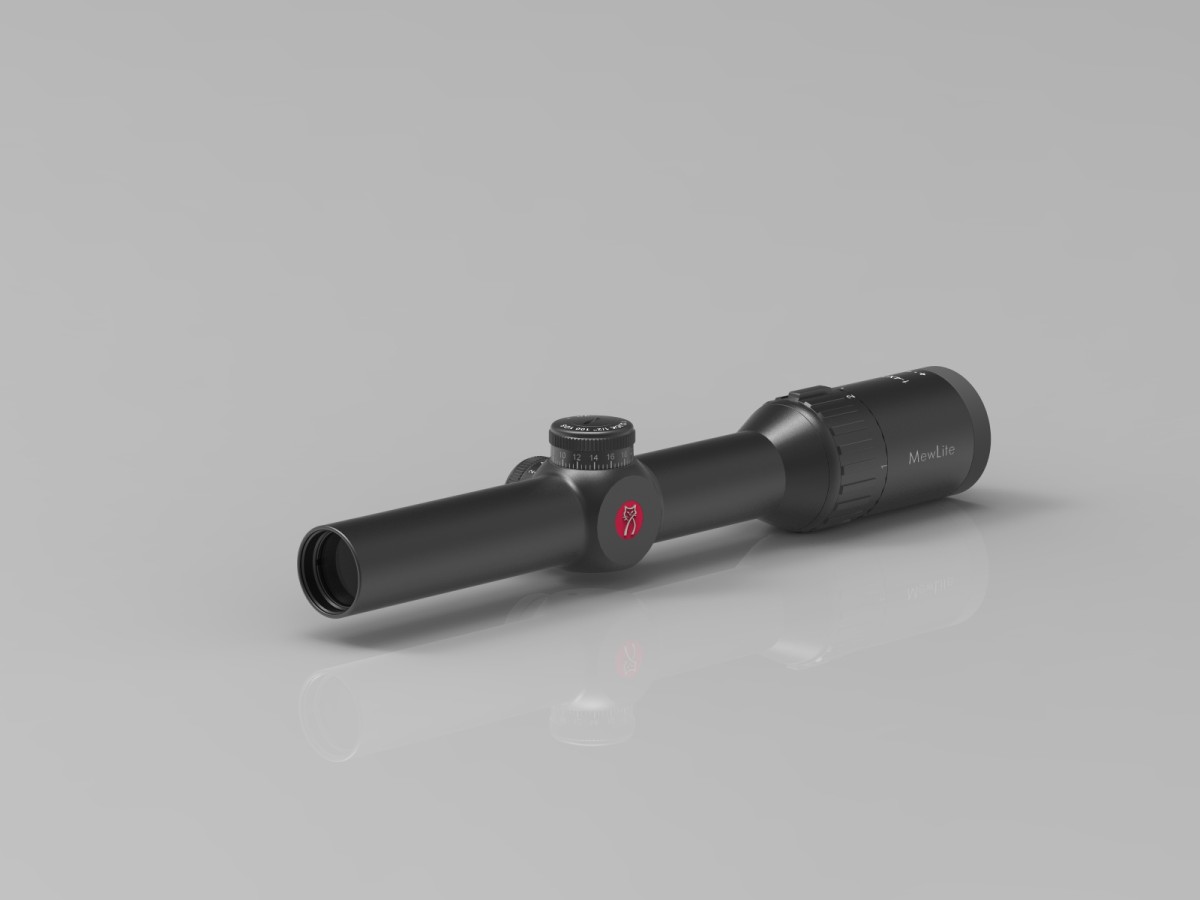
How to maintain a riflescope in winter. When they see this topic, many friends may find it amusing. Who doesn't know how to maintain a riflescope? Indeed, everyone knows how to maintain a riflescope, but today we are talking about winter maintenance methods for riflescopes. Do you know them as well?
Winter weather is cold. Once it rains or snows, the precipitation may continue for an extended period, and the humidity can also become particularly high. Therefore, when we are using or not using the riflescope, we should pay attention to the following matters:
Precaution 1: Do not use the riflescope at times or in places where the temperature is low.
Why do we say this? A riflescope is a precision optical instrument. It can operate normally at room temperature and provide considerable convenience for shooting, but this is not the case in extremely hot or cold conditions. When the temperature is too low, the accuracy with which the riflescope receives reflected light from objects will decrease. In addition, when the temperature is too low, small droplets on the lenses can easily condense into tiny ice crystals, which can cause significant damage to the riflescope.
Precaution 2: When not in use, cover the riflescope with a piece of cotton cloth or put it away.
Covering the riflescope with cotton cloth follows the same principle as not using it at times or in places where the temperature is low. Although winter is dry, rain and snow leave large amounts of tiny droplets in the air, which is also the main reason why winters in southern regions are often described as both humid and cold.
Cotton cloth has good water absorption and can quickly absorb water vapor from the air. When there is no moisture around the riflescope, the lenses and body will naturally be less affected by the cold winter air.
Low temperatures are the primary factor affecting the service life of a riflescope in winter. Therefore, after winter arrives, we should learn to keep the riflescope warm and protect it from the threat of severe cold.